What to Expect in Your First Cooking Class
A realistic breakdown of class structure, what ingredients you’ll work with, and how instructors adapt teaching for different experience levels.
Your First Class Doesn’t Have to Be Intimidating
Walking into a cooking class for the first time can feel nerve-wracking. You’re wondering if everyone else will be some kind of kitchen expert. You’re not sure what to bring, what to wear, or if you’ll somehow manage to mess up boiling water. The truth? Most people feel exactly the same way. And within the first ten minutes, you’ll realize the atmosphere is welcoming, practical, and designed specifically so you can actually learn something without feeling rushed or judged.
We’re going to walk you through what actually happens in a typical cooking class — from arrival to plating your first dish. You’ll know exactly what to expect, what skill level you should be at (spoiler: any level works), and what makes the whole experience different from cooking alone in your kitchen at home.
How a Class Actually Works
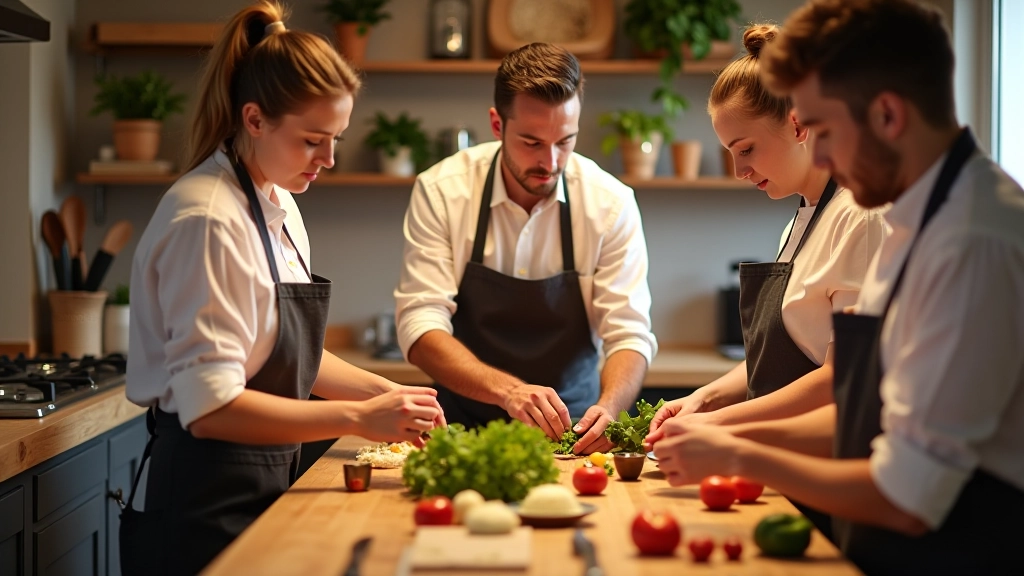
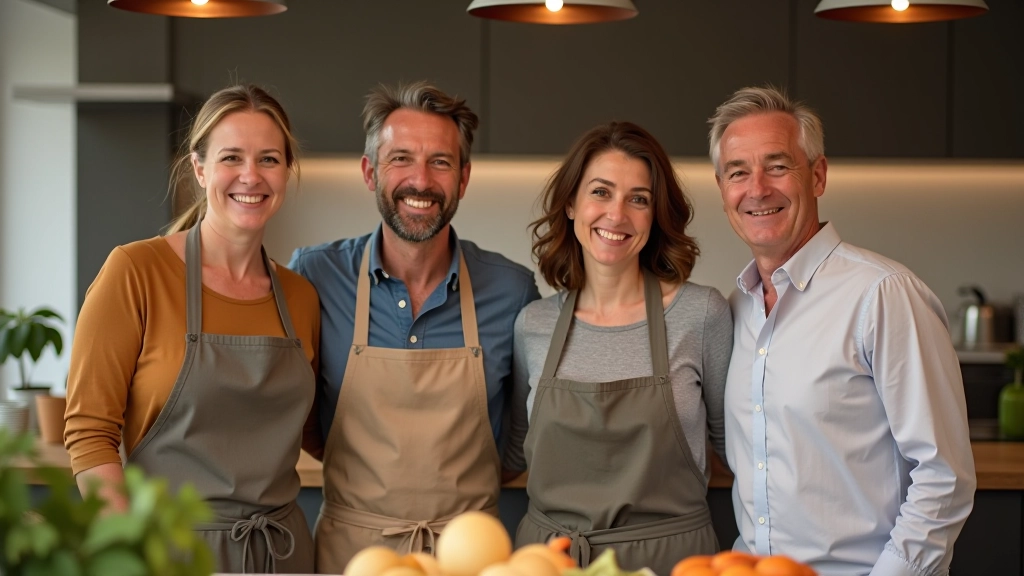
Most classes follow a similar rhythm, though every instructor puts their own spin on it. You’ll arrive about 10 minutes early (this is important — it gives you time to find your station without feeling rushed). The instructor will do a quick introduction, maybe crack a joke, and explain what you’re making today. Then you’re not sitting and watching for 90 minutes — you’re actually cooking alongside everyone else.
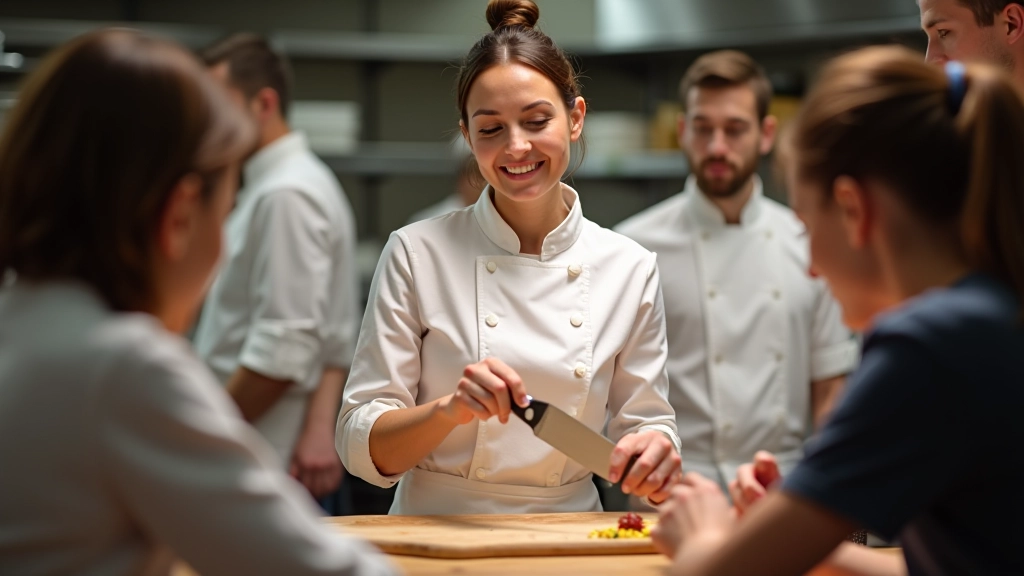
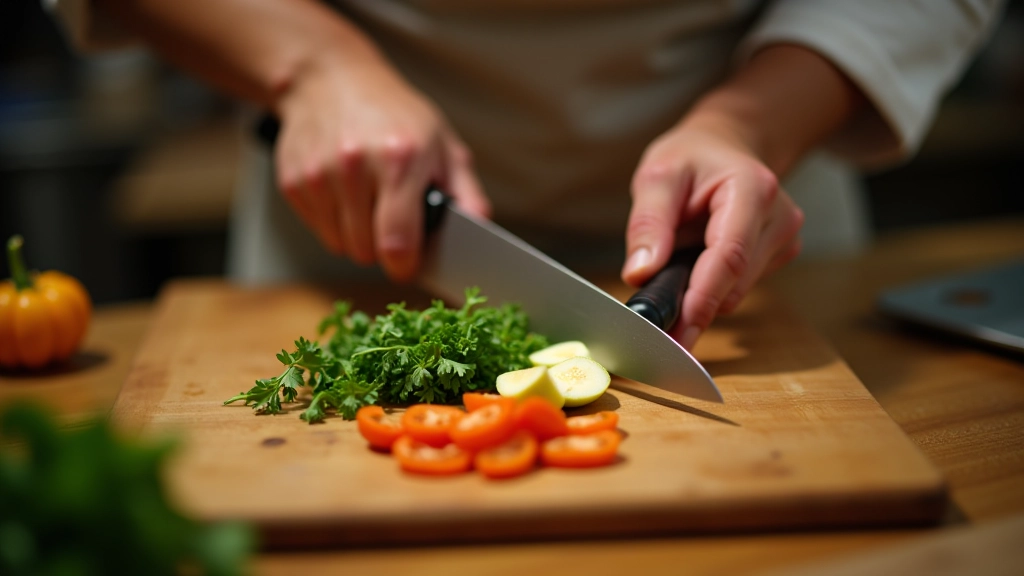
The instructor will walk through a technique or ingredient first. They’ll show you the knife grip for julienning, or how to properly sear something so it gets that golden crust. Then you’ll do it yourself at your station. If you’re struggling with the garlic, they’ll come over and show you the trick. If your sauce isn’t quite right, they’ll taste it and suggest what’s missing — usually it’s salt or acid, something simple.
By the end of the 90 minutes, you’ve made an actual meal. Not a disaster. Not something that tastes like it came from a restaurant (though sometimes it surprises you), but something real that you made with your hands. You’ll taste it, maybe share bites with the person next to you, and leave thinking “I could actually do this again.”
What Ingredients You’ll Actually Work With
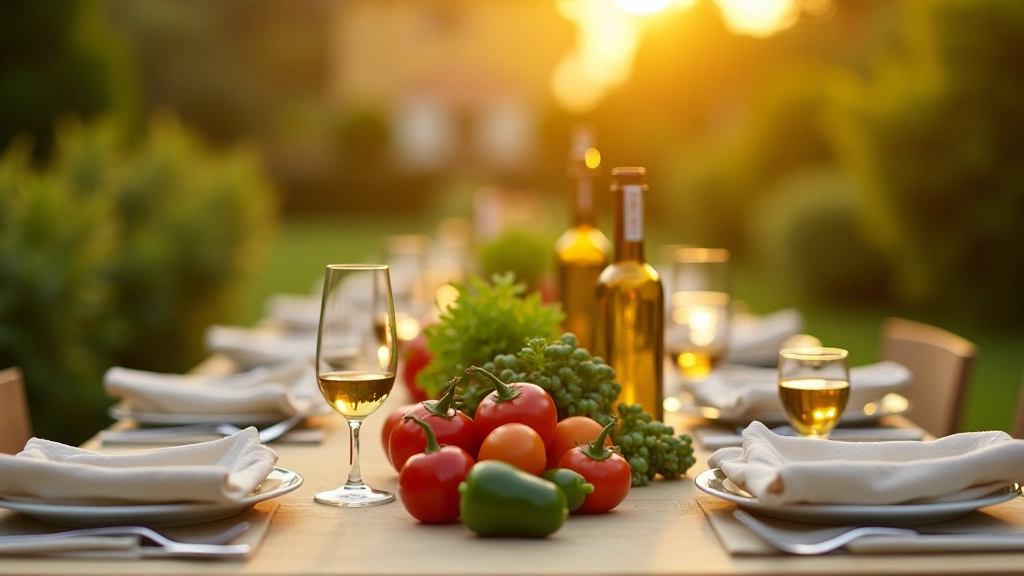
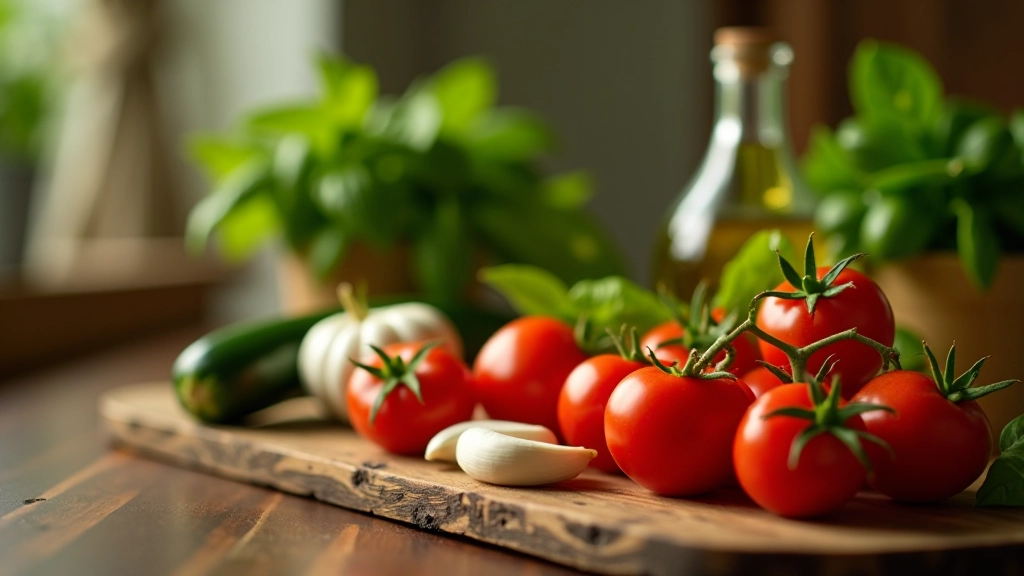
This depends on the class theme, obviously. If you’re taking a Mediterranean cooking class, you’re working with good olive oil, fresh tomatoes, garlic, herbs like basil and oregano. Real ingredients. Not the pre-cut stuff from a grocery store that’s been sitting in plastic for a week.
The instructor will usually provide everything. You’re not bringing ingredients from home (though some advanced classes ask you to source specific items). Quality matters here. They’re not cutting corners with margarine or jarred garlic when fresh is available. You’ll notice the difference immediately when you taste something made with proper ingredients versus the shortcut version you might’ve made at home.
Most classes also provide the oils, vinegars, spices, and finishing salts. So you’re learning with the good stuff from the start. This is important because it changes how you cook. Once you’ve felt the difference between cheap olive oil and a proper extra virgin, and tasted food made with fresh herbs instead of dried ones from the back of your cupboard, you can’t really go back.
What the Teaching Approach Actually Looks Like
Here’s the thing about good cooking instructors — they’re not trying to show off. They’re not standing at the front making everything look effortless while you scramble to keep up. Good instructors do things slowly. They explain why you’re doing something, not just the steps. They’ll tell you that searing meat on high heat creates a crust that locks in flavor, and that’s why you’re not starting on medium.
Instructors also adapt in real time. If half the class is struggling with something, they’ll slow down. If someone’s clearly done this before, they’ll challenge them a bit more without making it obvious. By the end, everyone’s made the same dish, but some people learned knife skills while others focused on understanding seasoning or sauce-making. That’s intentional.
“The best part was that nobody made me feel rushed. The instructor came over and showed me three different ways to hold the knife until one felt comfortable. That’s the kind of attention you don’t get cooking alone.”
Practical Things to Know Before You Go
What to Wear
Comfortable clothes you don’t mind getting food on. Closed-toe shoes (oil splatters). Some people wear an apron, some don’t. There’s usually a sink to wash your hands, so don’t stress about staying perfectly clean. You’re cooking, not doing surgery.
Timing
Classes are typically 90 minutes. That’s enough time to make something real without feeling rushed, but not so long that you’re exhausted. Arrive 10 minutes early. Leave 10 minutes late if you want to chat with the instructor or other students.
Skill Level
Beginner is fine. Actually, many classes are specifically designed for people who’ve never taken one. If you can follow instructions and use a knife without cutting yourself too badly, you’re good. The instructor’s job is teaching, not judging.
Equipment at Your Station
You’ll have a cutting board, knives (good ones), pans, bowls, utensils. Everything you need is there. You’re not expected to bring anything except yourself and maybe an appetite. Some classes provide a container so you can take food home.
Why This Is Different From Cooking at Home
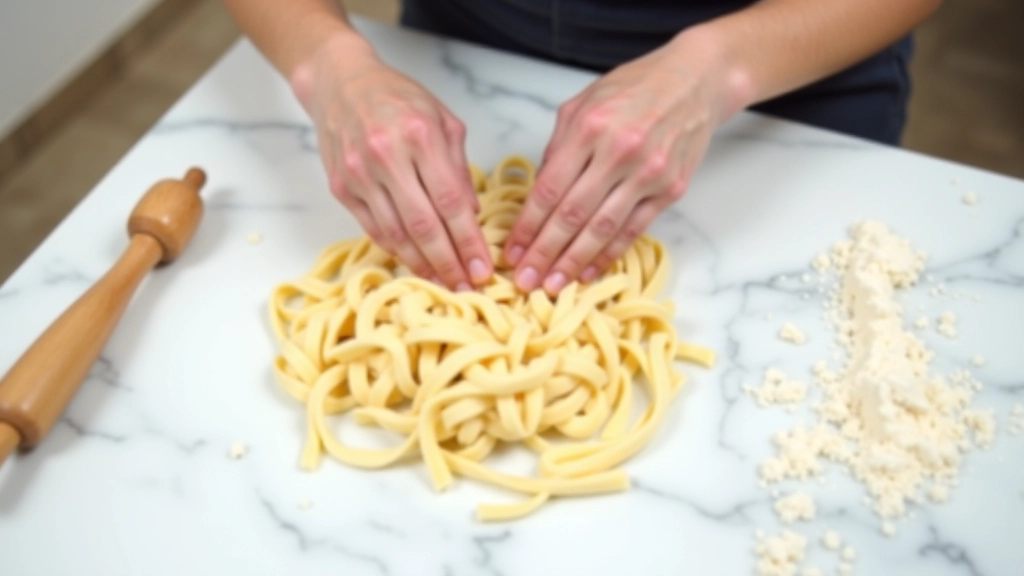
You could watch videos on how to make pasta from scratch. You could read the recipe six times and still second-guess yourself on timing. But there’s something about having someone there in the room who’s made this dish 200 times. When they tell you the dough should feel like an earlobe, you get it. When they taste your sauce and say “one more pinch of salt,” you learn what that tastes like.
There’s also the fact that you’re not alone. You’re surrounded by other people doing the same thing, making mistakes, asking questions. Someone will overcook something. Someone’s sauce will break. The instructor will show everyone how to fix it. Suddenly you’re learning from other people’s mistakes without having to make them all yourself.
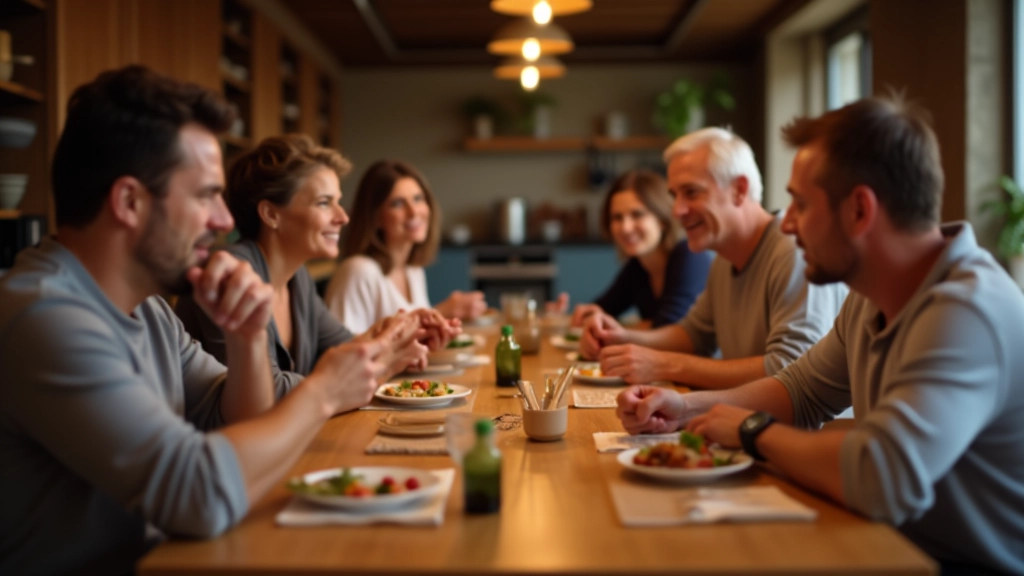
And at the end, you’re eating with people. Not scrolling through your phone while you eat something you made. Actually tasting it, talking about it, maybe getting a recipe tip from someone at the table. That community piece changes everything about how you experience the meal.
The Real Truth About First Classes
You’re not going to become a professional chef in 90 minutes. But you will learn something practical that you can use at home. You’ll gain confidence in the kitchen. You’ll taste what food can actually taste like when it’s made properly. And you’ll probably meet people who love food the same way you do, which is its own kind of valuable.
The hardest part is showing up. Once you’re there, surrounded by other people who are equally nervous and equally excited, it becomes fun. The instructor knows exactly how to make that happen. That’s why they do this.
About This Article: This is informational content describing typical cooking class structures and experiences. Individual classes may vary in format, duration, ingredients used, and teaching approach depending on the instructor, venue, and course focus. Actual class experiences will depend on your specific instructor and location. Always check with your chosen cooking class for their specific requirements, schedules, and what to bring or prepare in advance.