
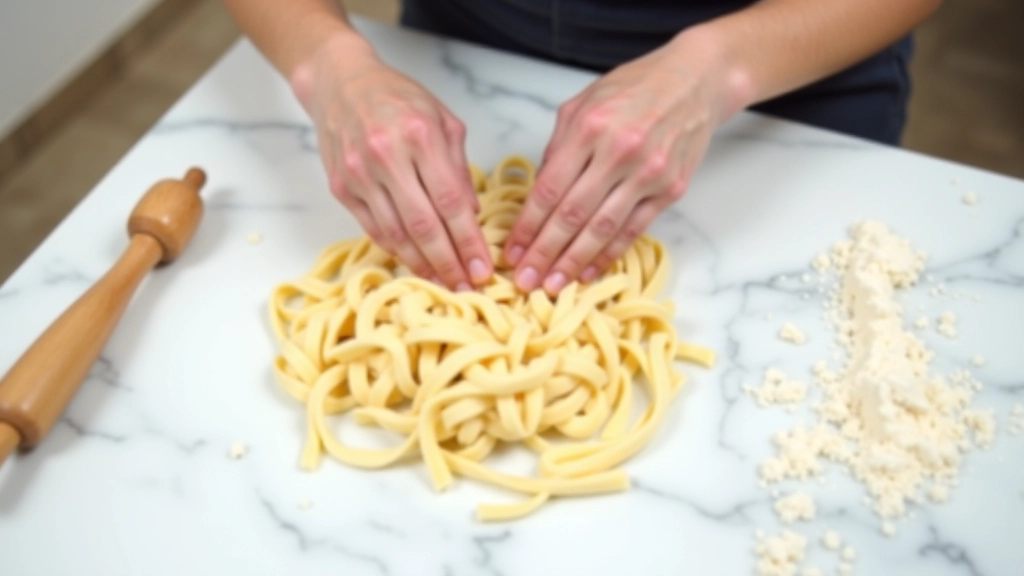
Making Fresh Pasta Like a Nonna
Learn the three essential techniques Portuguese and Italian grandmothers use to create perfect homemade pasta every time.
Read MoreDiscover cooking classes, Mediterranean tastings, baking workshops, and farm-to-table gatherings crafted for the 40-60 community. Learn authentic Portuguese cuisine from experienced instructors in intimate settings.
Whether you’re interested in mastering traditional techniques or exploring modern Mediterranean flavors, Portugal’s culinary scene offers hands-on experiences designed for adults seeking meaningful food education and community connection.
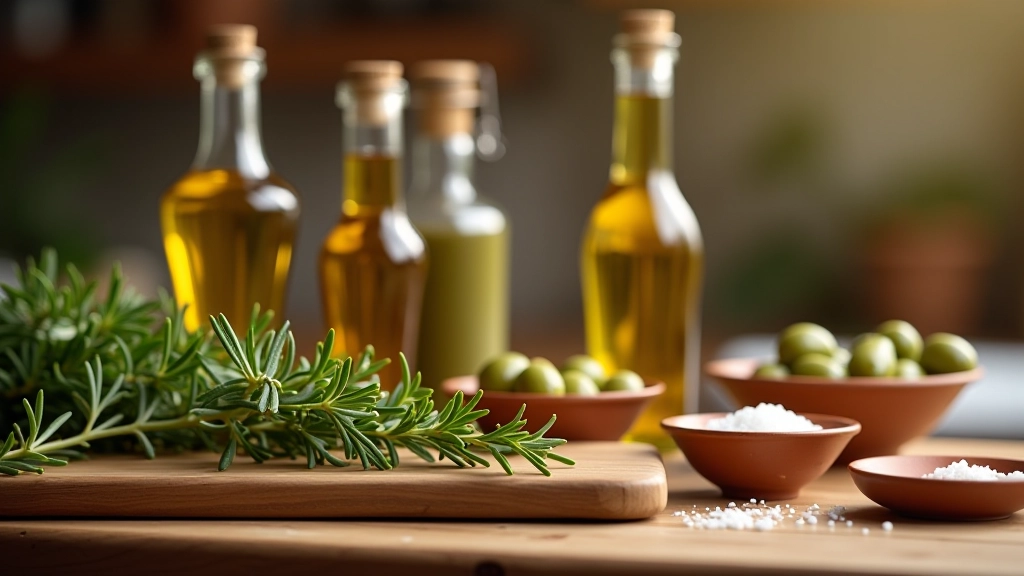
Explore guides and insights about cooking classes, food events, and culinary techniques across Portugal.
Learn the three essential techniques Portuguese and Italian grandmothers use to create perfect homemade pasta every time.
Read More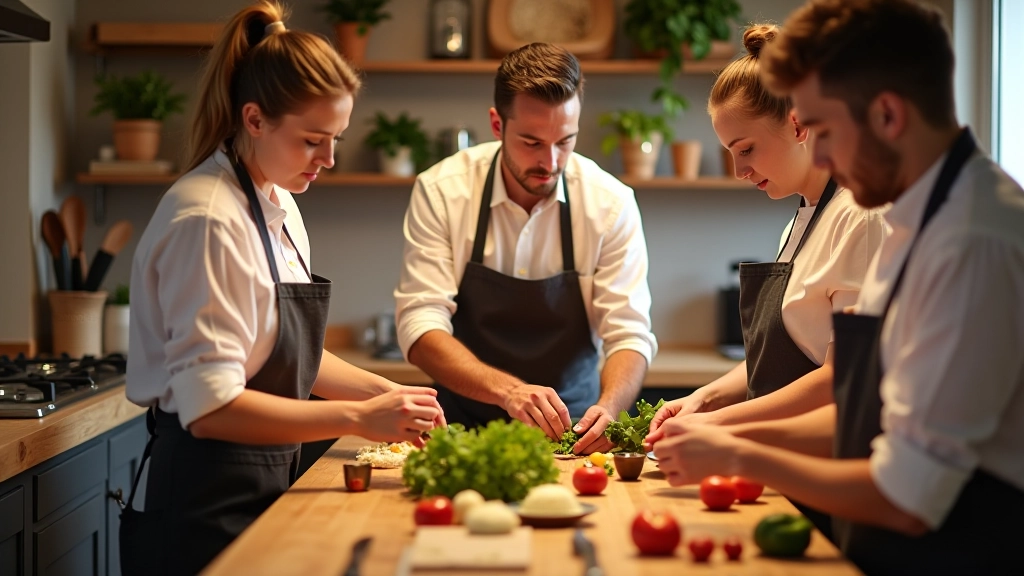
A realistic breakdown of class structure, what ingredients you’ll work with, and how instructors adapt teaching for different experience levels.
Read More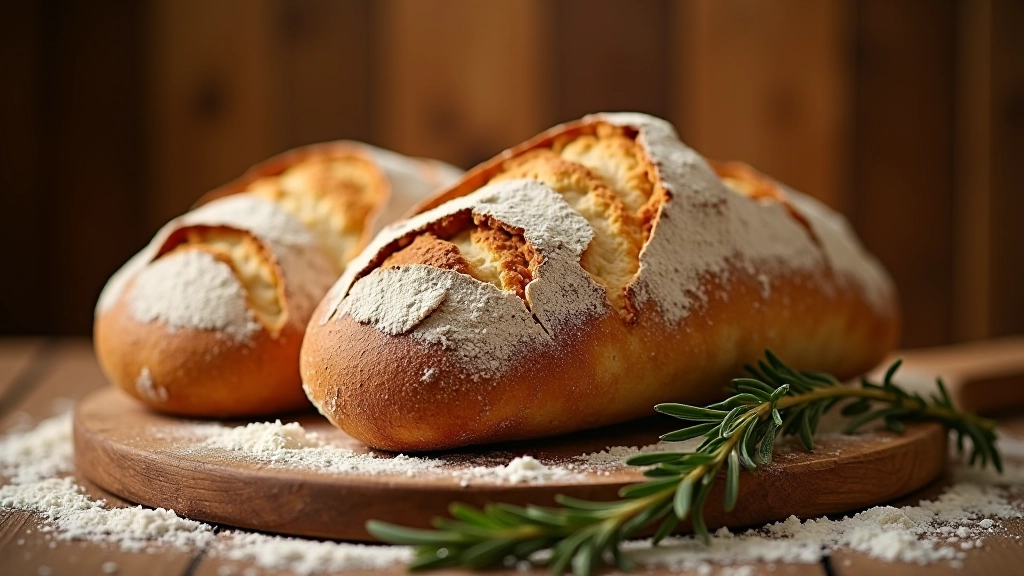
Step-by-step process for building a starter, timing your fermentation, and achieving that perfect crust without special equipment.
Read More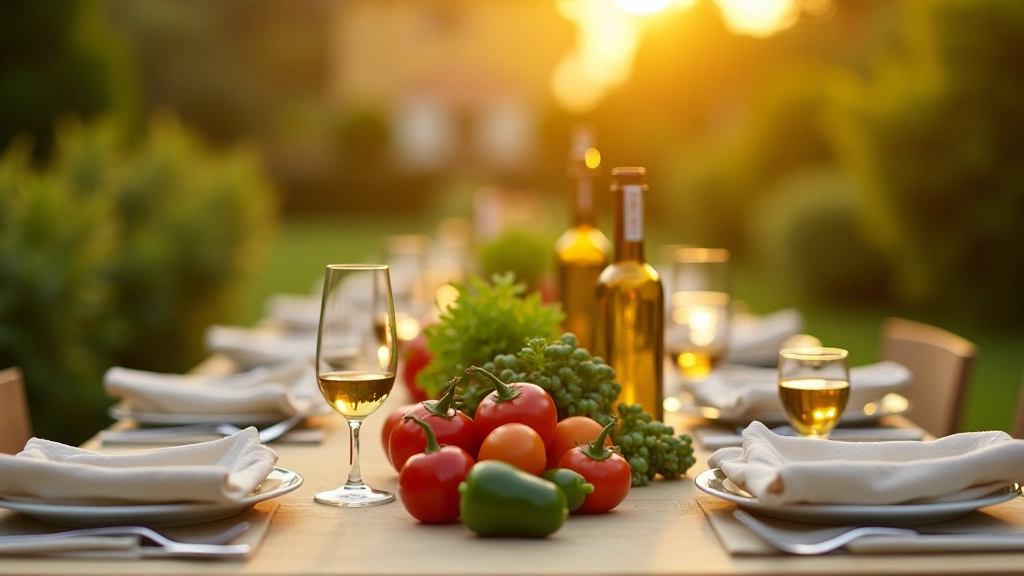
How to choose quality farm-to-table events, what makes them different from regular dinners, and why they’re worth the investment.
Read More“The best part about learning to cook isn’t just the food you make — it’s discovering you can actually do something with your hands. After 30 years of working behind a desk, it’s refreshing.”
Cooking classes and food events have become increasingly popular with adults aged 40-60. They’re not about becoming a professional chef. Instead, they’re about hands-on learning in a relaxed environment, meeting like-minded people, and building confidence in the kitchen.
Portugal’s culinary education landscape is particularly welcoming. Classes tend to be smaller, instructors focus on technique and enjoyment equally, and there’s genuine respect for learning at any pace. Whether it’s a morning baking workshop or an evening tasting event, these experiences create lasting memories and practical skills you’ll use for years.
Different formats suit different schedules and interests. Here’s what you’ll typically find.
Hands-on instruction in traditional Portuguese and Mediterranean techniques. Usually 2-3 hours, small groups (6-12 people), with a meal at the end. Most run weekday mornings or weekend afternoons.
Guided experiences focused on sampling and understanding regional dishes. You’ll learn about ingredients, preparation methods, and wine pairings while tasting 4-6 dishes prepared by chefs.
Focused sessions on bread, pastries, or desserts. These tend to be shorter (1.5-2 hours) and more specialized. You’ll take home what you bake, which is always satisfying.
Evening events at farms, vineyards, or restaurants featuring seasonal ingredients. These combine learning with dining — you’ll understand the story behind each course while enjoying a multi-course meal.