
Farm-to-Table Dinners — Finding the Right Experience
How to choose quality farm-to-table events, what makes them different from regular dinners, and why they’re worth your time.
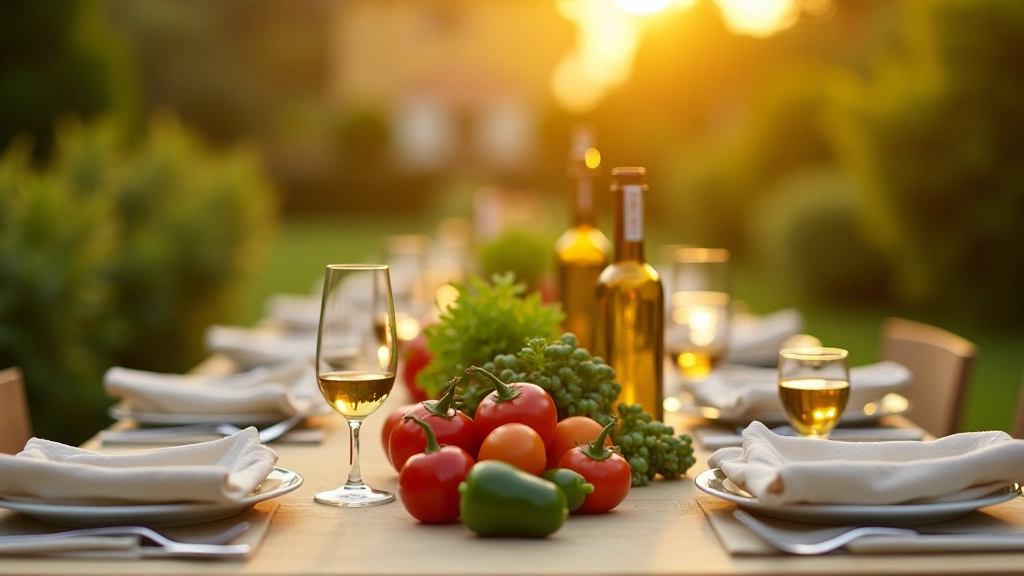
What’s Really Different About Farm-to-Table
There’s a real difference between a farm-to-table dinner and just eating good food at a nice restaurant. It’s not just marketing language — it’s about knowing where your ingredients came from, meeting the farmers sometimes, and understanding the story behind each dish.
The 40-60 crowd in Portugal gets this instinctively. You’ve lived long enough to taste the difference between mass-produced and something made with intention. Farm-to-table events celebrate that awareness. They’re slower, more conversational, and genuinely about connection — both with the food and the people around your table.
But here’s the thing: not all farm-to-table experiences are created equal. Some are genuinely special. Others are just restaurants charging premium prices with “farm-fresh” on the menu. This guide helps you spot the real deal.
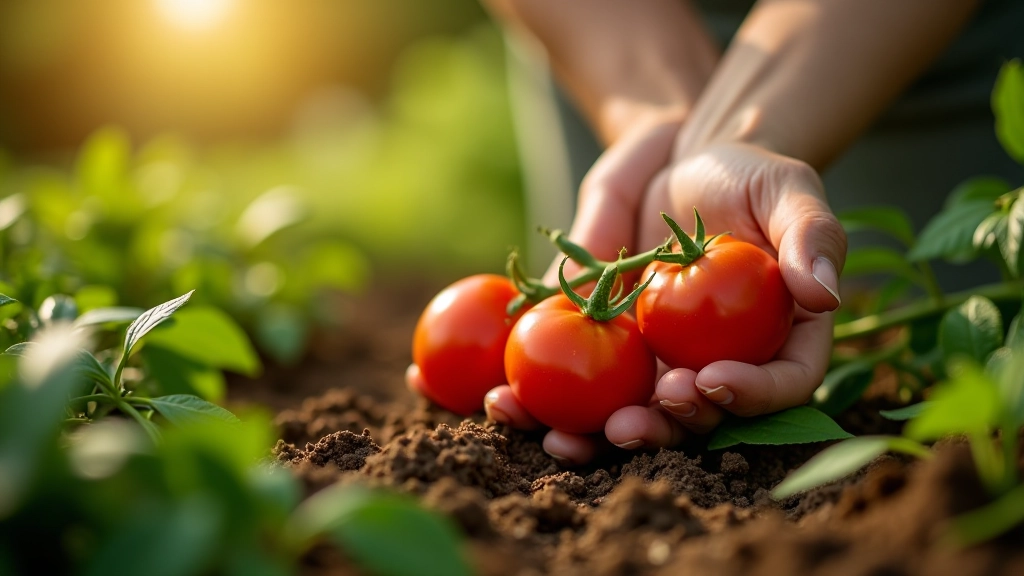
Five Signs You’ve Found a Genuine Farm-to-Table Experience
Real farm-to-table events share consistent qualities. Look for these markers when you’re evaluating options.
The Menu Changes With Seasons
If they’re offering the exact same menu in January and August, they’re not buying from local farms. Real farm-to-table menus shift dramatically. Spring brings asparagus and fresh peas. Summer explodes with tomatoes, zucchini, stone fruits. Fall is all about mushrooms and root vegetables. Winter? Heartier fare with preserved items from summer harvest.
They Can Tell You Where Ingredients Come From
This is the biggest red flag. A good host will say “the tomatoes are from João’s farm in Setúbal” or “the fish came in this morning from Cascais.” Not vague “locally sourced” language. Specificity matters. You’re paying premium prices — you deserve to know exactly what you’re getting and from whom.
The Portions Match Actual Produce Quality
Farm produce tastes more intense. You don’t need enormous portions when flavors are that concentrated. Watch out for events trying to justify high prices by drowning you in quantity. Quality farm-to-table is about smaller, perfectly-seasoned portions where you actually taste everything.
There’s Transparency About Sourcing
Real events include farm names on the menu or mention them when explaining each course. Some hosts actually invite farmers to meet guests. Others provide a detailed sourcing document. This transparency is your proof they’re doing the work. It’s not an accident — it’s intentional marketing of their values.
The Experience Feels Unhurried
Farm-to-table is antithetical to rush. If you’re being pushed through four courses in 90 minutes, something’s off. Real farm-to-table events are 3-4 hours minimum. You’ve got time between courses. There’s conversation. The pace respects the food and the company.
Different Types of Farm-to-Table Experiences
Farm-to-table isn’t one category. It spans several different event styles, each with its own vibe. Understanding the distinctions helps you pick what actually appeals to you.
Farm Dinners happen literally at the farm — long tables set up in fields or gardens, often outdoors. You’re eating surrounded by the land that grew your food. It’s atmospheric and genuinely moving. Weather-dependent though.
Restaurant Pop-Ups are curated dinners in restaurants or private spaces, featuring a specific farm’s harvest or a collaboration between a chef and several farms. More refined plating, controlled environment, but still deeply seasonal.
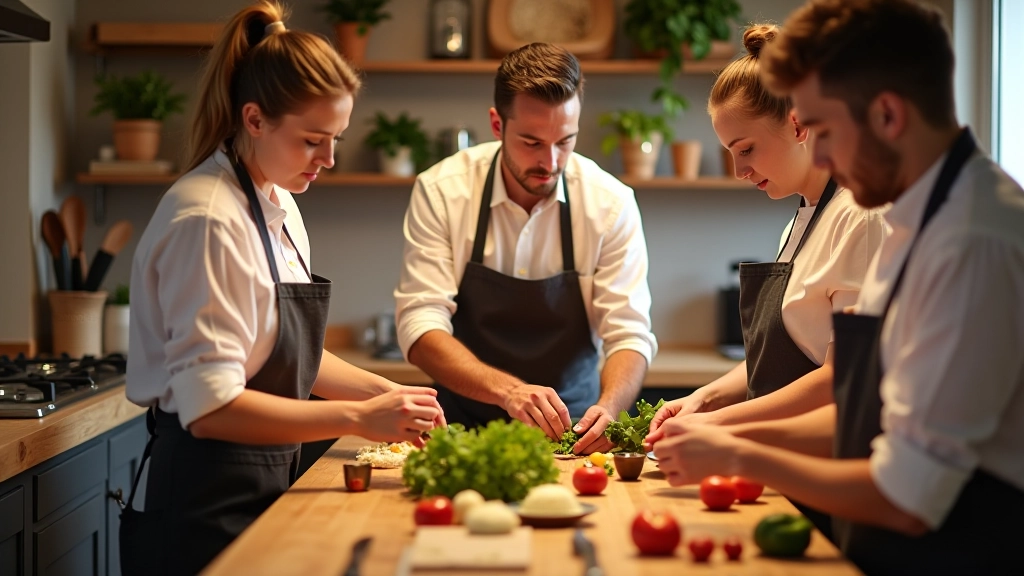
Cooking Experiences combine farm visits with hands-on cooking. You’ll actually help prepare some components of dinner. It’s educational and participatory — perfect if you want to learn techniques alongside sourcing knowledge.
Your choice depends on what you value most. Want atmosphere and story? Farm dinners win. Prefer refinement and predictability? Restaurant pop-ups deliver. Want to actually learn cooking skills? Go for the hands-on experiences.
The Practical Checklist for Choosing Your Event
Before booking, actually do this legwork. These questions separate genuine experiences from tourist traps.
Check Their Social Media History
Scroll back 6 months. Do they post about different ingredients seasonally? Or do they recycle the same “farm-fresh” photos? Real operations change visibly with seasons. You’ll see different dishes, different farms mentioned, actual variety. Recycled content is a warning sign.
Read Reviews Carefully (Not Just Star Ratings)
Skip the five-star reviews that say “amazing experience.” Look for detailed feedback about specific dishes, whether farm names were mentioned, pacing of the dinner. People who care about actual farm-to-table sourcing will mention it specifically. If reviews never reference the farms or sourcing, that’s telling.
Contact Them With Questions
Email and ask: Which farms are supplying this dinner? Can they send you the list? How do they respond? Genuine operations love this question and answer immediately with specifics. Vague responses? Move on. You’re not being difficult — you’re validating their legitimacy.
Look at the Price Point Honestly
Farm-to-table costs more than regular dining. That’s real. Quality ingredients, direct farm relationships, smaller production batches — it all costs money. But absurd prices (200+ per person for a casual event) suggest they’re marking up the “farm” label, not actually investing in sourcing. Fair pricing is typically 50-90 per person for a good dinner.
Ask About the Farmer’s Relationship
Do they know the actual farmers? How long have they been working together? Is there a personal relationship or just a transaction? This matters because consistent relationships mean better ingredients. A chef who’s been buying from the same farm for three years knows what to expect and has influence over what gets grown.
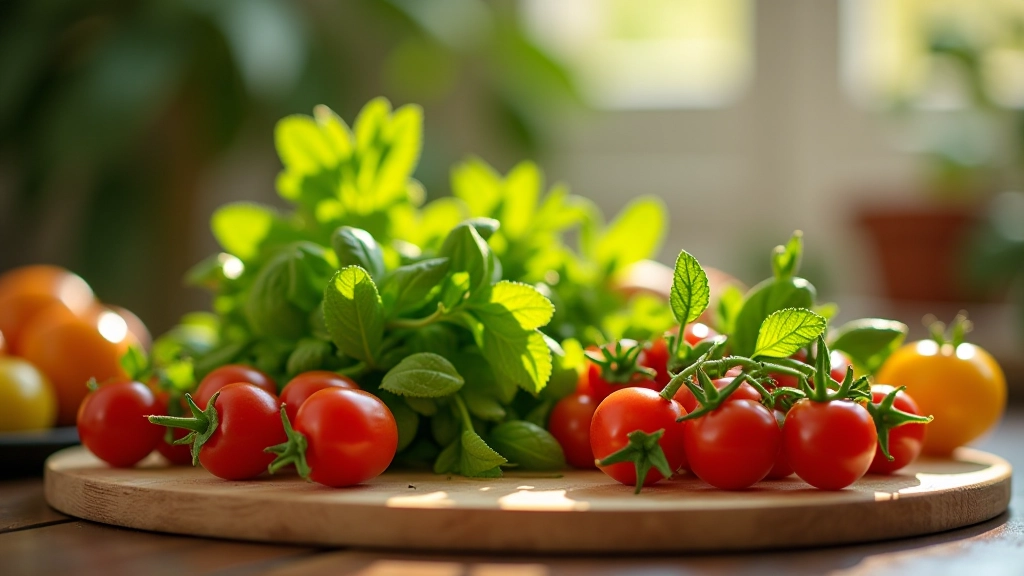
Why This Actually Matters (Beyond Instagram)
You might wonder if you’re just paying more for the same food with a better story. You’re not. There’s genuine difference in flavor, nutrition, and environmental impact.
Farm-direct produce is picked ripe, not weeks early for transport. A tomato picked yesterday tastes absolutely nothing like one picked two weeks ago and shipped 1,000 kilometers. That’s not romance — that’s chemistry. Ripe produce has more nutrients, more complex flavors, more of everything that makes food actually taste like something.
You’re also supporting actual farmers who practice sustainable agriculture. When you attend these events, you’re voting with your presence and your money for food systems that work. That matters, especially at our age when we’re thinking about what world we’re leaving behind.
Plus — and this shouldn’t be underestimated — you’re getting genuine hospitality. These events are built on relationships, not transactions. The host cares about your experience because they care about the farms, the food, the whole chain. You feel that difference.
Finding Your Perfect Farm-to-Table Experience
You don’t need to overthink this. Start by looking for events in your region that meet at least three of the five markers listed above. Check their sourcing transparency. Read actual reviews. Ask questions before booking.
The best farm-to-table experiences aren’t always the most famous or the most expensive. They’re the ones where someone genuinely cares about connecting you with good food and the people who grew it. That authenticity shows immediately once you’re there.
Your first real farm-to-table dinner will probably spoil you a bit. You’ll taste the difference and start noticing it everywhere else. That’s the point. These events aren’t luxury — they’re a return to how food is supposed to taste.
Ready to explore culinary experiences in your area?
Browse More Culinary EventsRelated Articles

Disclaimer
This article provides general information about farm-to-table dining experiences and how to evaluate them. Experiences vary widely by region, season, and individual providers. Pricing, availability, and sourcing practices mentioned are based on typical Portuguese market conditions as of March 2026 and may change. Always contact event organizers directly to confirm current details, sourcing practices, and dietary accommodations before booking. Individual experiences with farm-to-table events depend on many factors including personal preferences, seasonal availability, and specific vendor practices. We recommend thorough research and direct communication with hosts to ensure events meet your expectations.