Making Fresh Pasta Like a Nonna
Learn the three essential techniques Portuguese and Italian grandmothers use to create perfect homemade pasta every time.
Why Homemade Pasta Matters
There’s something almost sacred about watching a Nonna shape pasta by hand. She’s not following a recipe from a screen — she’s working from memory, muscle memory, and generations of knowing what feels right. The dough shouldn’t stick. It should spring back when you press it. The flour on your board should smell nutty and warm.
You don’t need fancy equipment or special ingredients. What you actually need is patience and three solid techniques that we’re going to break down for you today. We’ve spent time with pasta makers across Portugal and Italy, and they all say the same thing: once you understand the fundamentals, everything clicks into place.
Technique 1: The Flour Mound Method
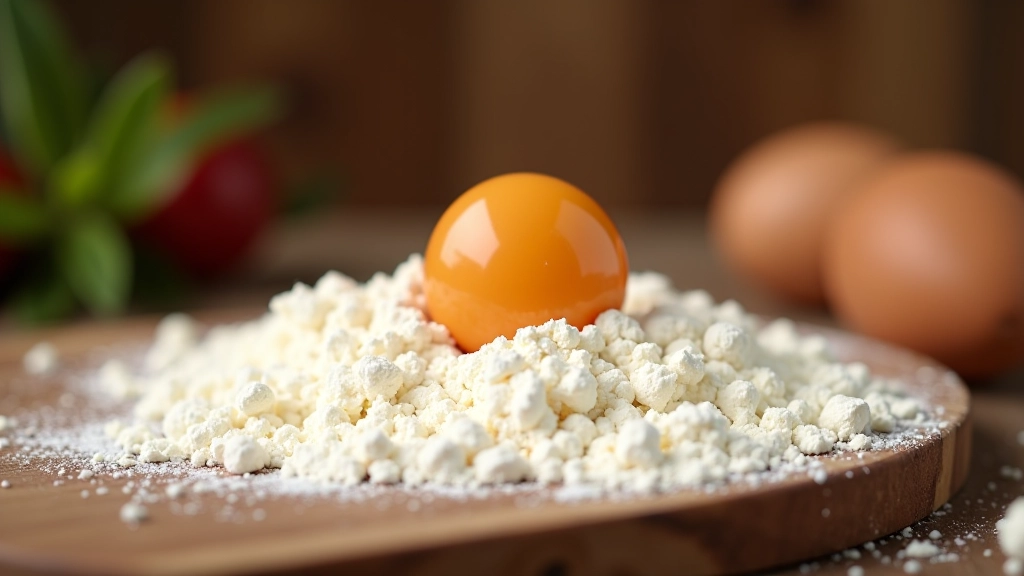
This is the oldest way, and it’s still the best. You’re not mixing everything in a bowl like you might expect. Instead, you create a mound of flour directly on your work surface — clean marble or a wooden board — and then make a well in the center.
Crack your eggs into that well. For every 100 grams of flour, you need roughly one large egg. Use a fork to beat the eggs lightly, then start incorporating flour from the inner walls of your mound. Don’t rush this part. You’ll gradually pull flour in, creating a thick paste that eventually becomes dough. This method gives you complete control. You can see exactly how much moisture you’re adding and adjust as you go.
Pro tip:
If your dough starts getting sticky, dust with more flour. If it’s too dry and won’t come together, wet your finger and add tiny drops of water. Most people add too much liquid at once — resist that urge.
Technique 2: The Kneading Process
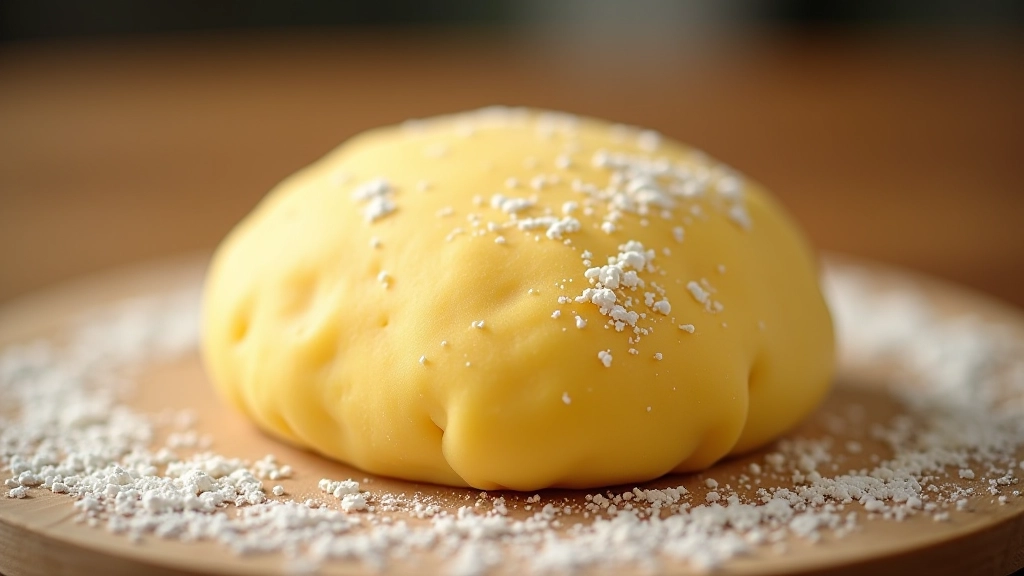
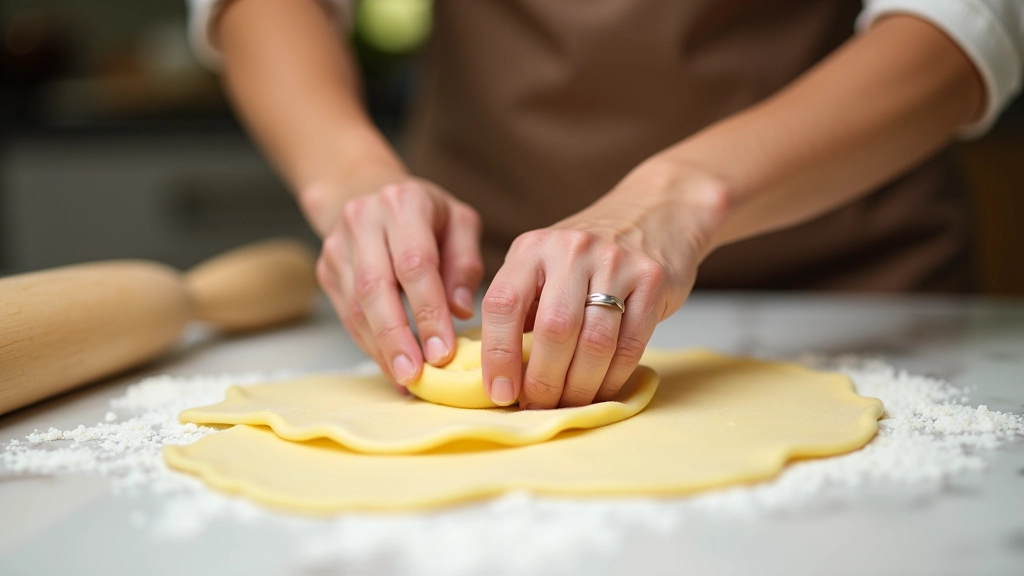
Once you’ve got your rough dough together, the real work begins. Kneading isn’t violent — it’s rhythmic and meditative. You’re developing gluten, which gives your pasta structure and that slightly chewy texture we’re all after.
Push the dough away from you with the heel of your hand, fold it back over itself, rotate it 45 degrees, and repeat. Keep going for 8-10 minutes. Your dough should go from shaggy and rough to smooth and elastic. You’ll feel when it’s right — it won’t be sticky anymore, and it’ll have a slight shine to it.
Then comes resting. Wrap your dough in plastic or cover it with an inverted bowl and let it sit for at least 30 minutes at room temperature. This relaxes the gluten and makes rolling easier. Some people rest it for 2-3 hours, and that’s fine too. The longer rest means even better texture in your final pasta.
Technique 3: Rolling and Shaping
This is where things get visible. You’re taking that rested dough and rolling it out thin enough to see light through it. A proper pasta sheet should be almost translucent — about the thickness of a dime or even thinner.
You can use a pasta machine for this, and that’s perfectly fine. Start on the widest setting, feed the dough through a few times, fold it in half, and feed it through again. Gradually move to narrower settings until you’ve got your desired thickness. If you’re rolling by hand with a rolling pin, it’ll take longer but you’ll have more control. Work in sections, keeping the rest of your dough covered so it doesn’t dry out.
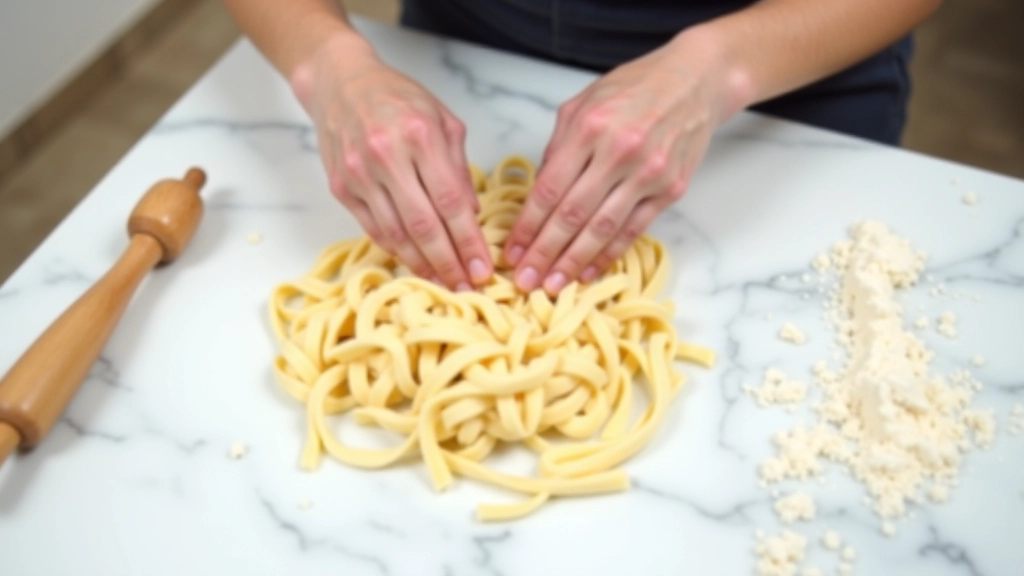
Once your sheets are ready, cut them into whatever shape you want. Tagliatelle, pappardelle, or small squares for tortellini. The key here is consistency — your pieces should be roughly the same size so they cook evenly. And dust everything with semolina or regular flour as you work. This prevents sticking and makes a huge difference when you’re cooking.

Practical Tips From Experienced Hands
Temperature Matters
Room temperature dough is easier to work with than cold dough. If your kitchen is chilly, let everything sit out a bit longer before you start rolling. Warm dough is actually easier for shaping — you’ll notice it springs back less and cooperates more.
Flour Type Changes Everything
Type 00 flour (doppio zero) is the traditional choice for fresh pasta in Italy. It’s milled extremely fine and absorbs liquid differently than all-purpose flour. If you can’t find it, all-purpose works, but you might need slightly less water. Semolina flour is different — save that for dusting and dried pasta.
Fresh Pasta Cooks Fast
Homemade pasta doesn’t take 8-10 minutes like dried pasta. Fresh egg pasta is done in 2-3 minutes maximum, sometimes less. You’re looking for it to float to the top and cook for maybe 30 seconds after that. Taste it — that’s your best guide. It should have a slight bite, not be soft all the way through.
Make Extra and Freeze
Once you’ve made pasta, you can freeze it on a tray and then bag it for later. Frozen fresh pasta cooks straight from the freezer without thawing — just add a minute or two to your cooking time. It’s a game-changer for having fresh pasta on hand without the work every time.
What You Actually Need
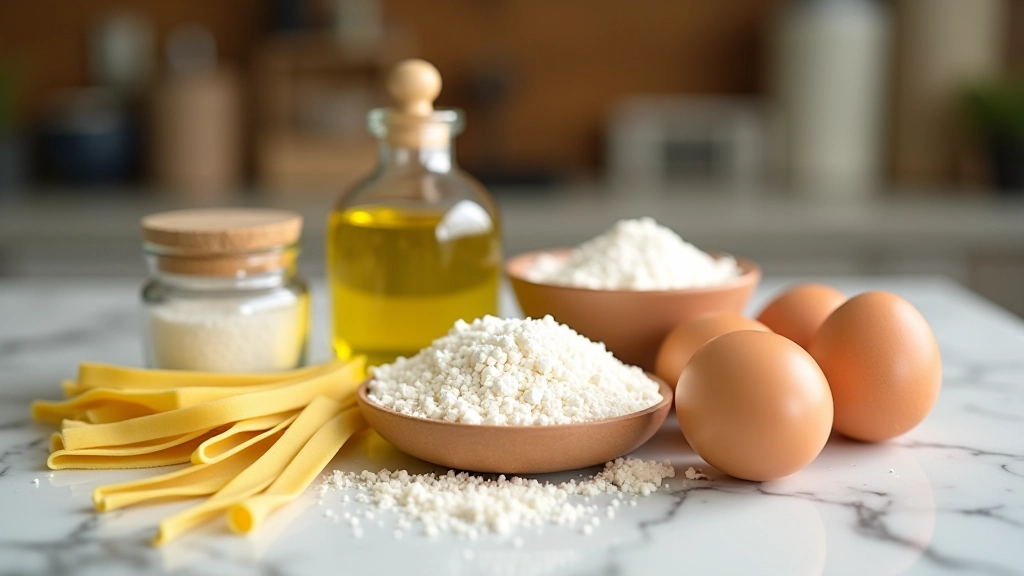
The beautiful thing about fresh pasta is the simplicity. You don’t need a long ingredient list. In fact, the fewer ingredients, the better. Here’s what a Nonna would use:
- Flour — Type 00 or all-purpose, roughly 100 grams per egg
- Eggs — Room temperature, large eggs work best
- Salt — Just a pinch in the dough, plus salt for your cooking water
- Olive oil — Optional, a small drizzle makes the dough slightly more forgiving
- Semolina flour — For dusting while you work
That’s it. No fancy additives, no weird ingredients. The quality of your eggs matters more than anything else. If you can find farm-fresh eggs with deep golden yolks, your pasta will taste noticeably richer.
You’re Ready to Start
Making pasta isn’t intimidating once you understand these three techniques. The flour mound method gives you control. Proper kneading develops texture. And thoughtful rolling creates pasta that cooks evenly and tastes incredible.
The first time you do this, it’ll probably take 45 minutes to an hour. That’s completely normal. By your third or fourth batch, you’ll find a rhythm and it’ll go faster. The Nonnas didn’t get quick at this in a week — they got quick over decades. But you can absolutely create restaurant-quality pasta at home right now.
Start with a simple shape like tagliatelle or pappardelle. Get comfortable with the process. Then branch out into filled pastas like ravioli when you’re ready. You’ve got this.
About This Guide
This article is informational and educational in nature. Pasta-making is a hands-on skill that improves with practice. Results will vary based on your ingredients, kitchen conditions, and experience level. If you’re attending a professional cooking class, your instructor may teach variations of these techniques suited to their specific approach. Always follow safety guidelines when working with kitchen equipment.
Explore Related Articles